Water beneath your fridge does not always mean the appliance needs a major repair. A spill, drainage problem, door seal issue or leaking water connection may be responsible. The location of the water is a useful starting point, although it cannot confirm the fault on its own.
Before wiping everything dry, note where the water first appears: beneath the vegetable drawers, inside the freezer, around the dispenser or on the floor. A photograph can help a technician understand an intermittent leak.
This guide explains what those locations may indicate, what you can safely check and when to arrange professional fridge repairs.
Water Under the Vegetable Drawers
Water collecting beneath the vegetable drawers can indicate that water is not draining as intended. On some models, a blocked or frozen defrost drain allows water to enter the cabinet instead of reaching the drain tray.
However, first rule out simpler sources such as spilled drinks, leaking containers or moisture from stored produce.
What You Can Check
Remove the drawers according to the appliance instructions and wipe the accessible area dry. Check food containers, bottles and packaging for leaks.
Note whether the water returns while the fridge is operating normally. Repeated pooling, especially alongside ice formation, is worth having assessed.
Drain locations differ between models. Avoid pushing wire or sharp objects into an opening, and do not remove internal panels to reach a hidden drain.
Water on the Floor Beneath the Fridge
A puddle beneath the appliance may come from its drainage system, a water supply connection or a nearby plumbing leak.
Samsung identifies an overflowing drain tray as one possible cause of water escaping from the bottom of a refrigerator. The tray and drainage arrangement depend on the model.
Water can also travel across the floor from another source, making it appear that the fridge is leaking.
What You Can Check
Dry the floor and observe where fresh water appears. Check accessible areas around nearby sinks, dishwashers and plumbing connections. LG recommends checking surrounding water sources when the leak is outside the refrigerator.
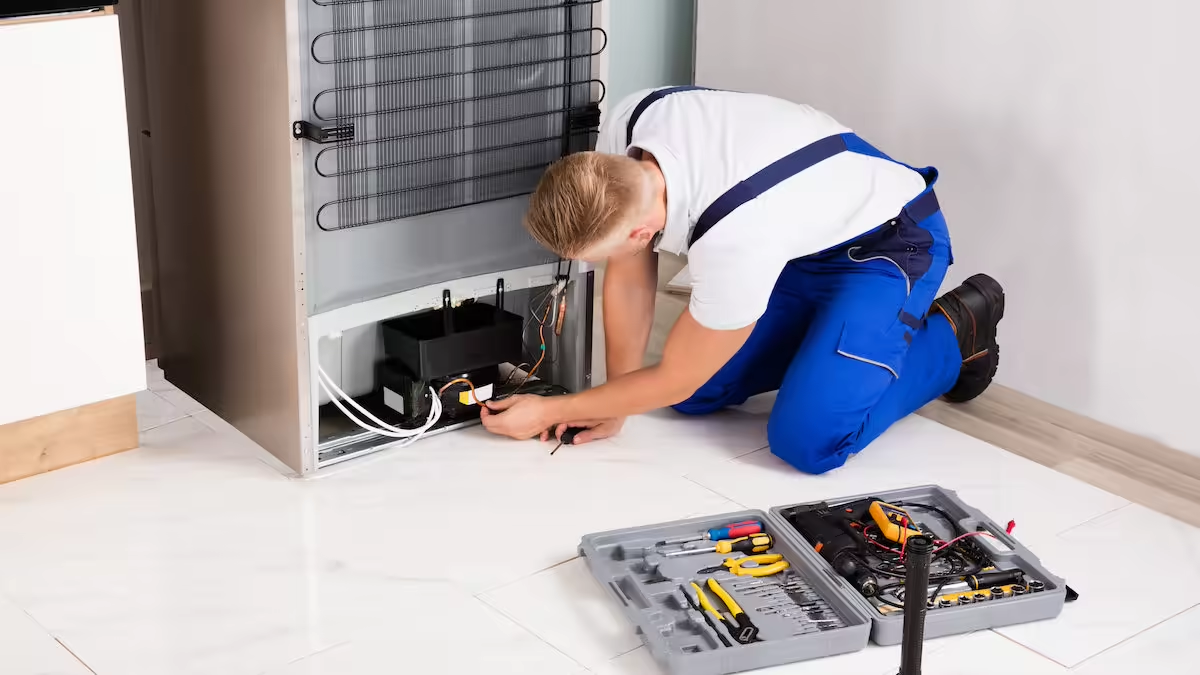
If the source is hidden beneath or behind the appliance, arrange an inspection. Avoid tipping the fridge or reaching into its machinery compartment.
If water is near a plug, socket or electrical components, stop using the appliance. Isolate the electricity from a dry, safe location rather than touching a wet plug.
Ice on the Freezer Floor or Water Escaping from the Freezer
A sheet of ice on the freezer floor can provide a clue about drainage. In frost-free appliances, water produced during defrosting should follow a drainage route. If that route becomes blocked, water may collect and freeze inside the compartment.
Tell the technician whether the ice returns after being removed and whether the freezer is still maintaining its normal temperature.
What You Can Check
Check that packaging or drawers are not preventing the door from closing. Photograph the ice before clearing the compartment.
Do not chip ice away with a knife, screwdriver or other sharp tool. Follow the manufacturer’s instructions if defrosting is required. A recurring problem needs its cause investigated rather than repeated ice removal alone.
Water Around the Dispenser or Water Filter
On a fridge connected to a water supply, the dispenser, filter and their connections introduce additional possible leak sources.
Pay attention to when the leak began. Did it follow a filter change, installation or movement of the appliance? Does water appear only after dispensing, or does it continue while the dispenser is unused?
Samsung notes that trapped air following installation or a filter change can cause dispenser dripping. Filter compatibility and correct installation also matter.
What You Can Check
Consult the model’s manual to confirm that the correct filter is fitted and seated properly. Follow its instructions for flushing the system after a filter change.
Do not force the filter or improvise a repair to its housing. For a continuing leak, turn off the fridge’s water supply if the valve is accessible and safe to operate, then arrange assistance.
Water Droplets Around the Door or Inside the Cabinet
Droplets across a surface may be condensation rather than water escaping from a pipe or drain.
Moisture can form when warm, humid air meets cold surfaces. Door opening, a door that does not close fully and items obstructing closure are useful things to check. Condensation and drainage faults can produce different patterns, so note whether you see scattered droplets or a recurring pool.
What You Can Check
Check that shelves, containers and drawers allow the door to close. Gently clean accessible door seals according to the manufacturer’s instructions and inspect them for visible damage.
Wipe the moisture away and monitor whether it returns. Persistent moisture around one section of the door, or condensation accompanied by poor cooling, warrants an assessment.
Why the Timing of the Leak Matters
The location tells part of the story. The timing can help narrow the investigation.
Record whether water appears:
- After using the dispenser.
- Following a filter change.
- After moving the fridge.
- When ice melts during defrosting.
- Alongside a change in cooling performance.
- Continuously, even when the appliance is not being opened.
These observations help a technician prepare, but they do not replace testing.
Does a Water Leak Mean the Fridge Needs Regassing?
A water leak alone is not evidence that your fridge needs regassing.
Drainage, condensation and water supply problems should be investigated according to their symptoms. If the fridge is also losing cooling performance, mention both issues when booking.
Refrigerant should only be added when an assessment establishes that sealed-system work is appropriate. You can read more about our fridge regassing services.
When Should You Call a Fridge Technician?
Arrange an inspection when the leak keeps returning, its source is inaccessible or simple checks have not resolved it.
Professional attention is particularly useful when:
- Water repeatedly pools beneath the drawers.
- Ice keeps forming on the freezer floor.
- A filter housing or water connection continues leaking.
- The fridge is leaking and no longer cooling properly.
- Water is damaging flooring or cabinetry.
- The leak is near electrical components.
If cooling has also deteriorated, see our information on fridge not cooling repairs.
Frequently Asked Questions
Can a fridge leak even if it has no water dispenser?
Yes. A fridge without a dispenser can still develop drainage problems, condensation or internal spills. A mains water connection is only one possible source.
Why does the water return after I clean it up?
Cleaning removes the water but may leave the cause unresolved. Record where it returns and how long that takes, then arrange an assessment if it continues.
Should I switch off a leaking fridge?
If water is near electrical components, isolate the power safely and arrange assistance. For a minor internal spill with normal cooling, wipe it up and monitor the appliance. The action needed depends on the source and location of the water.
Can I clear the drain myself?
Follow the instructions for your exact model. Some appliances have an accessible drain intended for routine cleaning; others require disassembly. Avoid forcing tools into drains or removing concealed components.
Book Fridge Leak Repairs in Cape Town
If your fridge keeps leaking, Cape Refrigeration can assess the appliance and recommend the appropriate repair.
When requesting fridge repairs in Cape Town, send your suburb, brand or model, and a photograph showing where the water collects. Mention whether cooling is affected and whether the fridge has recently been moved or had its filter changed.
Call or WhatsApp: 060 859 3290
Email: info@caperefrigeration.co.za