
Walk in cooler repairs in Cape Town. Fix cooling issues, gas leaks, and temperature faults in commercial refrigeration systems.


Walk in fridges, commercial coolers and chiller systems operate in controlled chilled environments where temperature stability is critical for product quality. When these systems fail, businesses risk spoilage, compliance issues and operational downtime.
Cape Refrigeration provides specialised walk in fridge, cooler and chiller repairs in Cape Town, focusing on systems that operate above freezing between zero and five degrees.
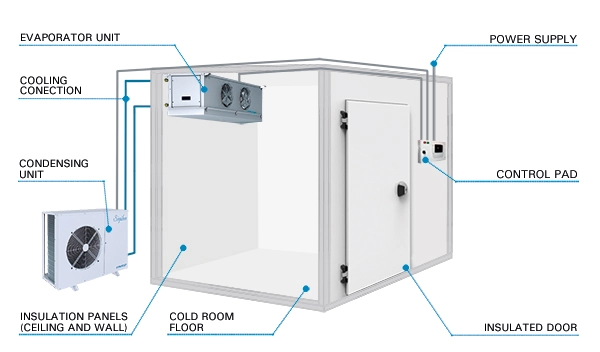
Walk in fridges and chillers are designed to maintain consistent chilled temperatures without freezing products. These systems are widely used across hospitality, retail and industrial environments where freshness and temperature control are essential.
These systems typically include:
Unlike freezer systems, these units prioritise airflow balance and temperature consistency rather than deep freeze performance.
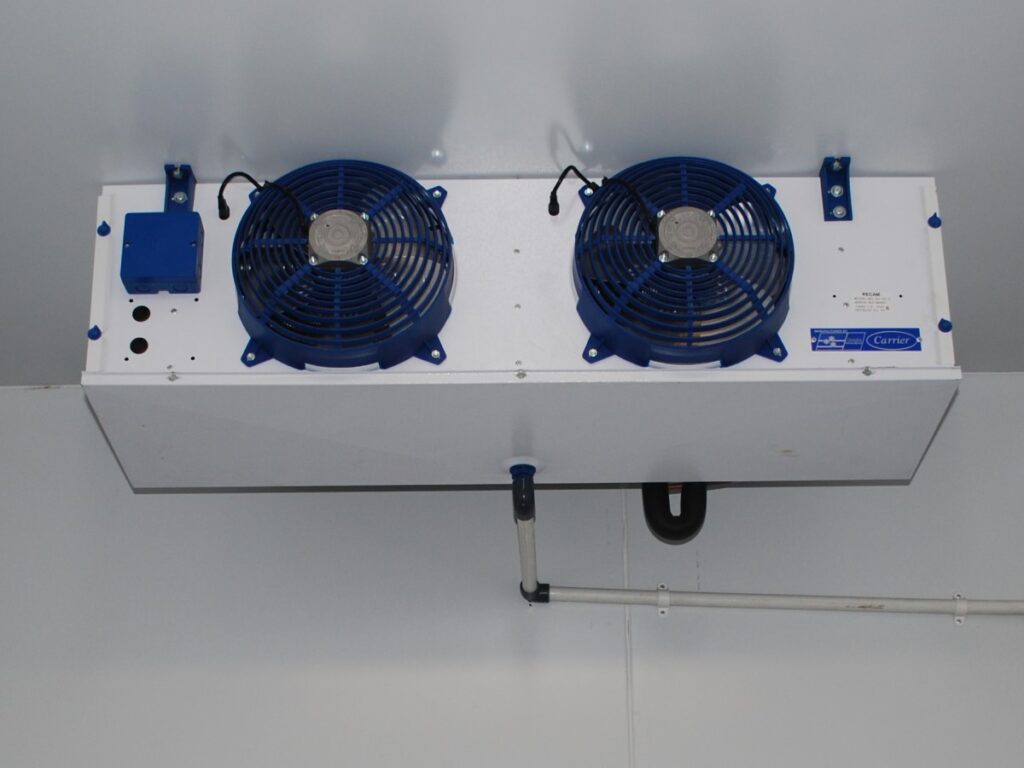
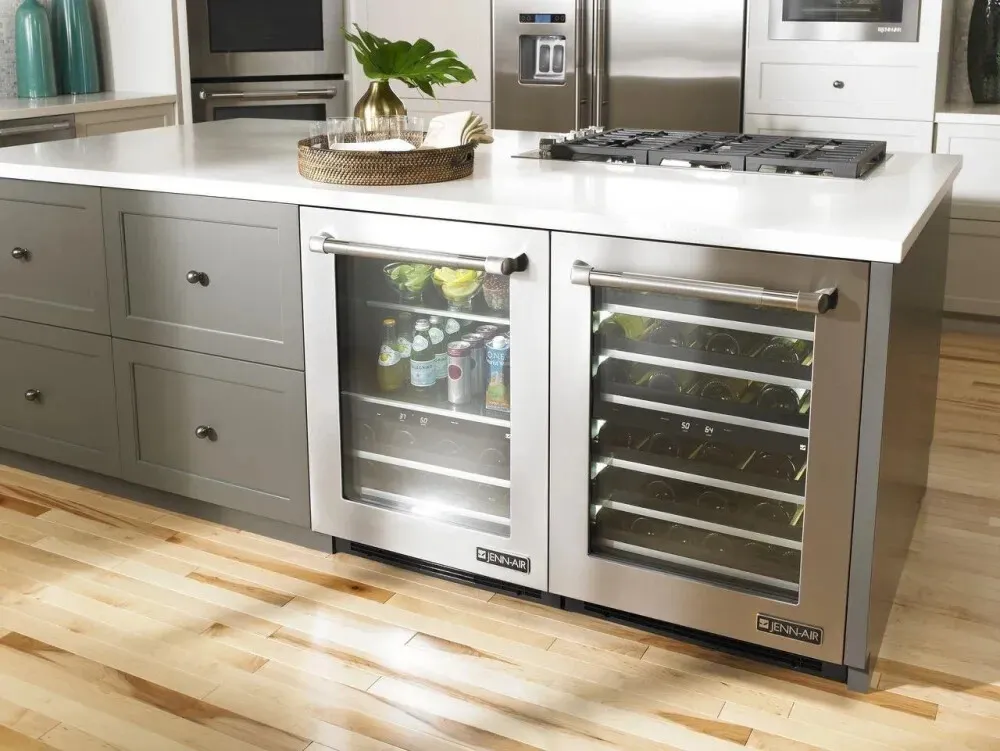
Walk in fridge and chiller systems operate above freezing and are designed to preserve fresh goods. Freezer systems operate below zero and are built for frozen storage.
If your system is designed for sub zero temperatures, see our walk in freezer repair service.
If your system is part of a broader storage environment, see our cold room repair service.
Early repair prevents product loss and reduces long term system damage.
This service is tailored for chilled storage applications including:
Each of these environments requires stable chilled temperatures to maintain product integrity.
Our technicians follow a structured repair process:
This ensures your system operates efficiently and consistently.
We service all major commercial and industrial areas including:
Fast response is essential for chilled storage systems to prevent stock loss.
Cape Refrigeration provides reliable repair services for commercial refrigeration systems with fast turnaround times and experienced technicians.
We work with all major systems and brands used in commercial environments.
All repairs include a 6 month warranty on parts and 4 month warranty on workmanship.
Contact us today to restore stable cooling and protect your business operations.
We identify root causes, not just symptoms.
Hot and cold zones often develop due to airflow issues or fan malfunctions, affecting product quality.
If the system cannot maintain consistent temperatures, it may indicate sensor faults, refrigerant imbalance or control issues.
Moisture buildup is a common issue in chilled environments and can point to airflow or insulation problems.
If the system does not cycle properly, it may be overworking due to inefficiencies or failing components.
Without proper air circulation, the system cannot distribute cold air evenly throughout the space.
Common causes include:
• Faulty evaporator fan
• Blocked airflow inside the room
• Refrigerant imbalance
• Temperature sensor or thermostat issues
• Door seal leaks allowing warm air in
These issues prevent consistent cooling and should be inspected early.
Uneven cooling is usually caused by poor airflow distribution. This can result from fan motor problems, blocked vents, or incorrect loading of stock inside the fridge. Proper air circulation is essential for stable temperatures.
Signs include:
• Temperature fluctuations
• Condensation inside the unit
• System running continuously
• Increased energy consumption
• Products not staying consistently cold
If any of these occur, the system should be inspected to prevent further damage.
With proper maintenance, a walk-in fridge system can last 10 to 15 years. Components such as fans, sensors and compressors may require replacement over time depending on usage and environmental conditions.
Regular maintenance includes:
• Cleaning evaporator and condenser coils
• Checking fan operation
• Inspecting door seals
• Monitoring refrigerant levels
• Ensuring proper airflow
Routine servicing helps prevent unexpected breakdowns.
Condensation is usually caused by warm air entering the system through faulty door seals or excessive door opening. It can also result from airflow issues or incorrect temperature settings.